

The Woo design team is now on X/Twitter and ready to hear from you! 👋
As we work to improve the core WooCommerce experience, we’re committed to building with the community, not just for it. That’s why our design team is opening up their process and actively seeking feedback from developers, agencies, and store managers who use WooCommerce every day.
What kind of feedback are we looking for?
The team will be sharing design concepts and early ideas for various parts of the WooCommerce experience.
For example, they’re currently exploring:
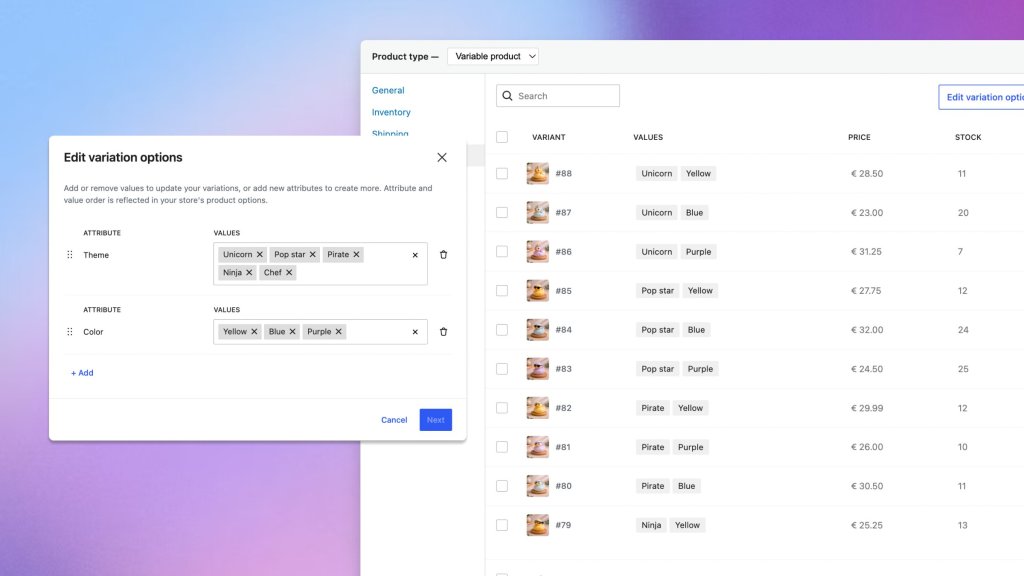
🎨 Product Variations — How can we make managing variable products faster and more intuitive? What friction points do you hit most often?
📦 Order Pages — What information do you need at a glance? Where does the current order management flow slow you down?
You’ll be able to test prototypes, see early designs, and share your feedback before these changes ship.
Your input matters
Whether you’re building extensions, managing client sites, or running your own store, your real-world experience is invaluable to creating solutions that actually work.
Follow @designatwoo on Twitter to:
- See early concepts and prototypes
- Share feedback that directly influences design decisions
- Stay updated on upcoming changes before they ship
- Connect with the team building WooCommerce’s future
We’re looking forward to building better experiences together. Follow along and make your voice heard!


Leave a Reply